

Asociación Española del Síndrome de Wolf-Hirschhorn: Supporting families across Spain
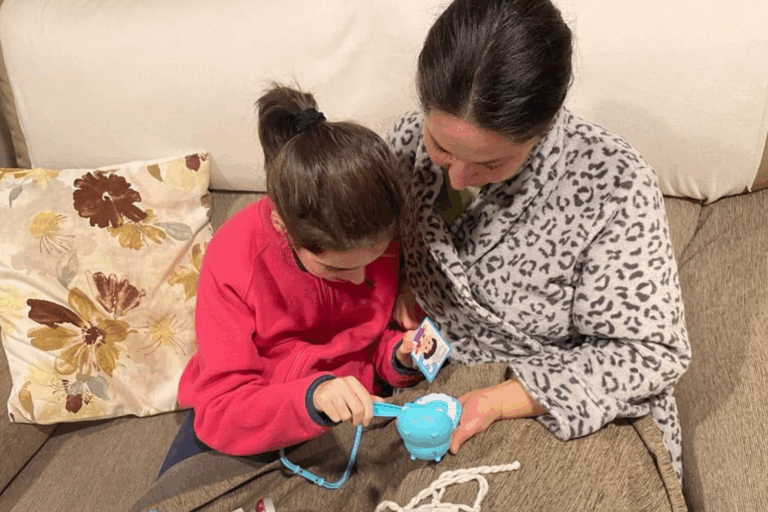
In 2010, a small group of Spanish families came together with a shared mission: to support children affected by Wolf-Hirschhorn Syndrome (WHS), a rare genetic disorder caused by a deletion on chromosome 4. WHS affects physical growth, facial features, and intellectual development, and can cause seizures and other health challenges. Because it is so rare, families often struggle to find reliable information, medical guidance, and support.
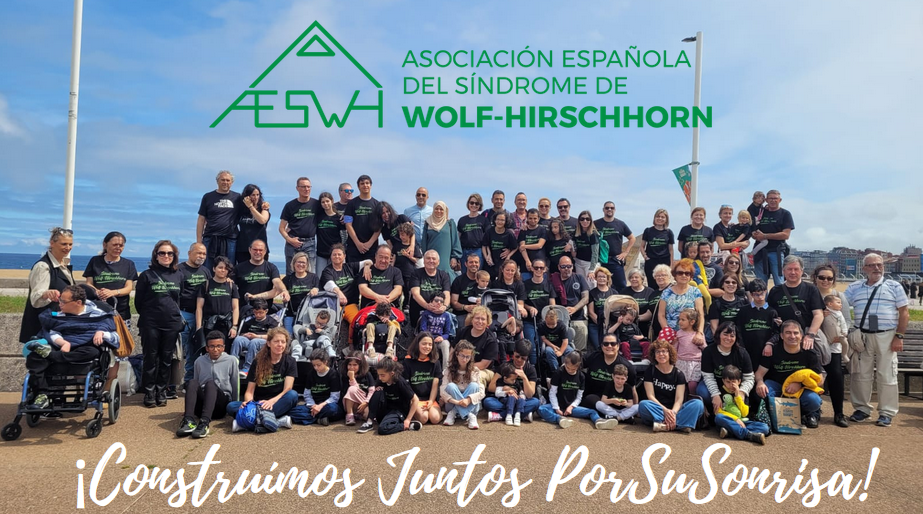
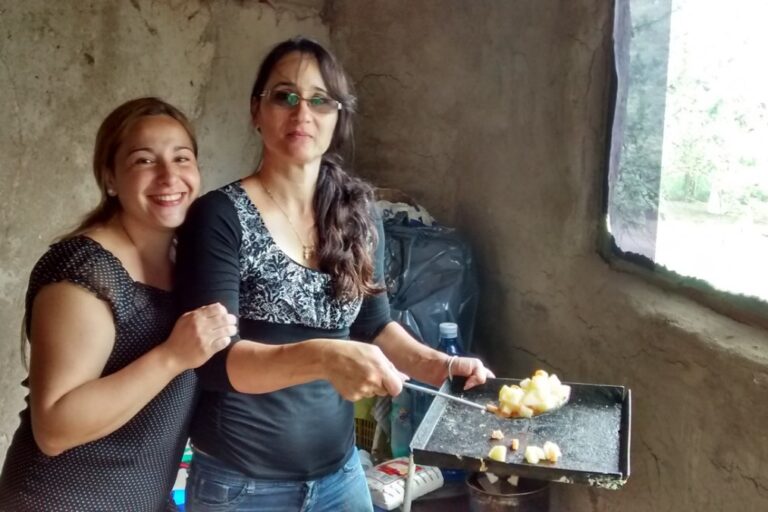
Asociación Española del Síndrome de Wolf-Hirschhorn (AESWH) was founded to raise awareness, promote research, and provide a safe space for families. Today, it connects 66 families and more than 470 members, and is recognized nationally as a reference point for both WHS research and family support.
AESWH’s mission is to support and guide families living with WHS. The association is grounded on solidarity, empathy, transparency, and resilience. Over the years, AESWH has developed resources to assist families with medical and therapeutic decisions, directly improving the quality of life for affected children.
Challenges in supporting WHS Research
The main challenge AESWH faces is funding. Financial support is essential to:
- Covering therapies for children
- Organizing family respite events
- Supporting research projects, including studies on early diagnosis, family well-being, and developmental outcomes
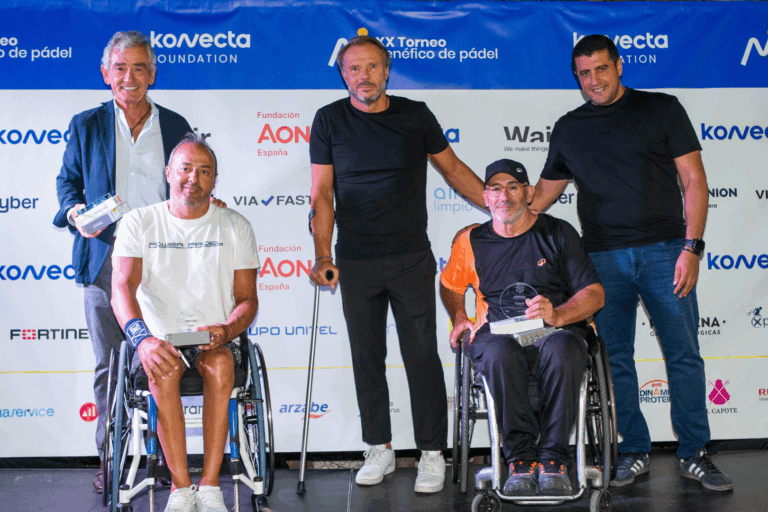
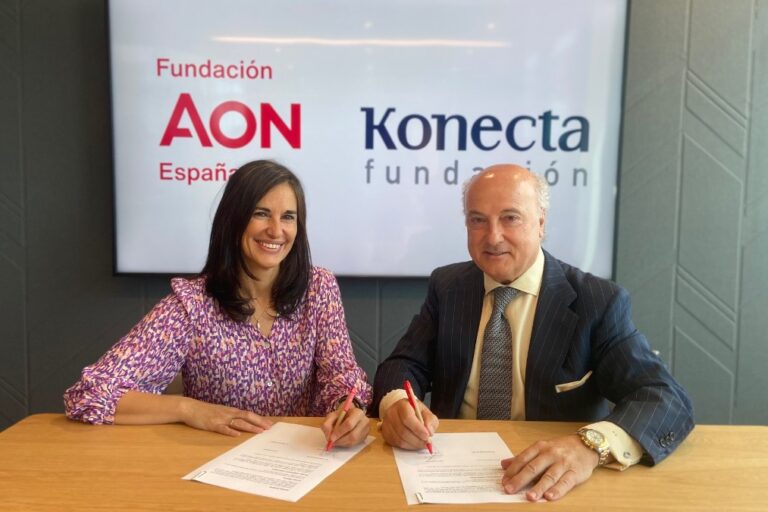
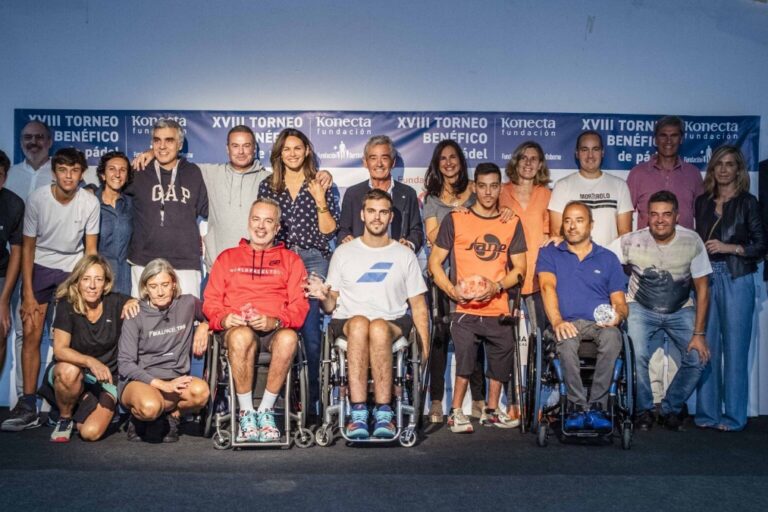
Thanks to initiatives such as its partnership with the Konecta Foundation, AESWH has been able to fund these essential projects, benefiting both families and scientific progress.
Key achievements
AESWH has achieved significant milestones:
- Creating a unified community: Almost all individuals affected by WHS in Spain are now connected through AESWH.
- Advancing rare disease research: AESWH has transformed WHS research in Spain, which was previously nonexistent.
- Supporting families directly: Projects like “Terapias para el SWH #PorSuSonrisa”, supported by Konecta Foundation, provides equitable access to therapies and treatments regardless of location.
This initiative also highlights disparities in healthcare access across different regions, ensuring families receive the support they need.
Partnerships that make a difference
AESWH continues to combine research, advocacy, and family support to improve the lives of children with WHS. As Natalia Graña Barreiro, President of AESWH, explains, the goal is to ensure every family in Spain has access to care, therapies, and guidance, no matter where they live.
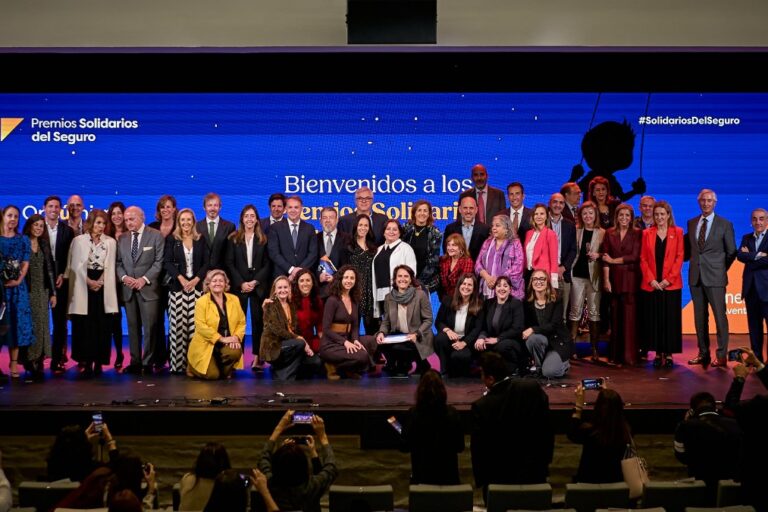
Being one of the winning associations in the Konecta Foundation annual Community Impact Call demonstrates how strategic partnerships can enhance research and family support.